A housefly trap in your car sounds like the sort of invention dreamed up after discovering a chip wrapper beneath the passenger seat three weeks too late.
Yet flies in cars are no laughing matter when you are trying to arrive at work without spending the entire journey swatting at something with the aerodynamic confidence of a fighter jet. A vehicle can become surprisingly attractive to insects. Warm upholstery, spilled drinks, food crumbs, damp floor mats and the faint aroma of yesterday’s takeaway can turn a perfectly respectable hatchback into a five-star hotel for flies.
The odd part is that most drivers immediately blame the windows. They imagine the fly has simply flown in during a traffic jam, enjoyed the scenery and decided to become a permanent passenger. Sometimes that is exactly what happened. Often, however, there is a more interesting culprit: your car is offering better accommodation than you realise.
Your Car is Basically a Tiny Ecosystem
Cars collect things. Not just mileage, service stamps and parking tickets, but all the microscopic evidence of daily life.
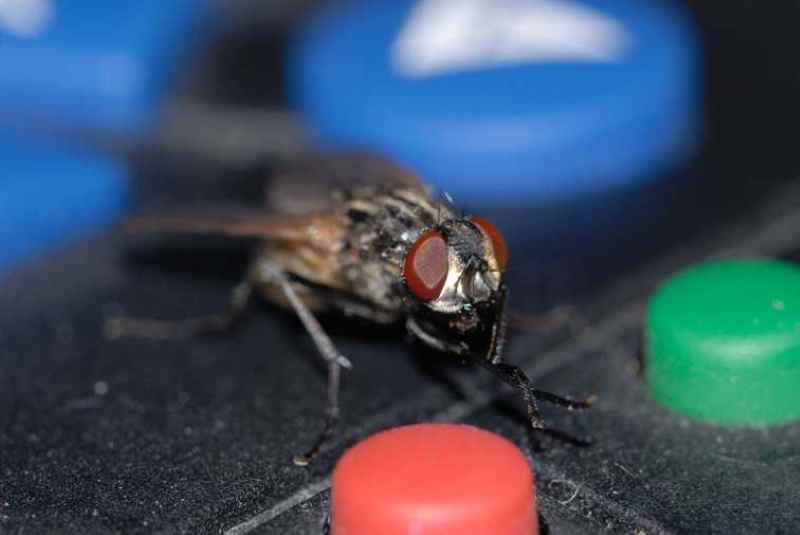
A coffee spills into the centre console. A child drops half a biscuit under a seat. Someone eats chips on the way home. A reusable water bottle leaks into the carpet. Mud gets dragged inside after a rainy weekend. None of these events feels significant at the time. Collectively, they can create an olfactory theme park for insects.
Flies are especially good at finding food and moisture. They do not need a banquet. A little residue around a cup holder or a sticky patch on a door pocket may be enough to make your car worth investigating.
This is why detailing is more than making the dashboard look smugly shiny. Cleaning the areas that drivers rarely inspect can remove the conditions that attract unwanted visitors. Vacuum beneath the seats, wipe the cup holders, clean the boot area and check the edges of floor mats. If something smells suspiciously fruity, sour or vaguely like regret, investigate it.


